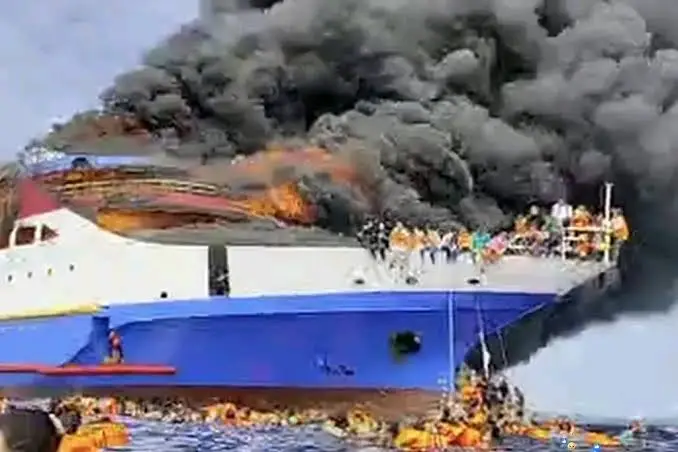
Late Friday evening, emergency services responded to a catastrophic event in Seattle’s south-central district. A sudden structural collapse—believed to involve a large residential complex—led to widespread damage, leaving many displaced and triggering an urgent rescue effort.
Authorities confirmed initial estimates indicating dozens injured, with several in critical condition. Local hospitals stretched their emergency units to capacity. Power outages and communication disruptions complicated the immediate response. City officials mobilized support from neighboring counties, bringing in search and rescue teams, heavy machinery, medical units, and temporary shelters.
While the number 649,847 first appeared in early reports—cited by some local social media accounts and uncertainty-riddled initial briefings—it became clear that the figure was symbolic, reflecting the scale of the disaster’s impact on the collective psyche: nearly 650,000 affected in one way or another, the number echoing fear, disruption, and the suddenness of trauma
Immediate Aftermath & Rescue
From the first moments, Seattle’s emergency crews worked tirelessly. Under helicopters’ lights and in muddy rain, teams combed through debris, calling out survivors and administering first aid. Local hospitals extended shifts, calling in volunteer staff and reallocating resources to handle mass casualty protocols.
At the temporary shelters now set up in school gyms and community centers, displaced families arrived shivering, clutching what little they could gather. Volunteers offered food, blankets, and comfort. Local NGOs and faith groups activated hotline lines and dispatched counselors. Red Cross and relief agencies coordinated logistics, ensuring security, medical triage, and supply chains functioned despite road closures and infrastructure damage.
By the second day, officials reported more than 200 people rescued, more than 100 hospitalized, and a handful of fatalities—somber but lower than many feared in early hours. Still, the full toll is not yet known, and rescue crews continued to search through rubble, hoping to find any survivors.
How Seattle Responded
Rather than succumbing to panic, Seattleites showed resolve. Neighbors opened their homes to strangers, offering shelter and food. Local businesses donated supplies and logistical support. Tech companies pitched in drones, mapping tools, and engineering expertise. The spirit of cooperation was palpable.
Mayor Bruce Harrell held a mid-day press briefing, urging calm, unity, and compassion. He confirmed that state and federal aid would be requested, and he pledged city resources to rebuild safely. He also announced the launch of an “Seattle Strong Fund”, aimed at helping displaced residents recover, repair, and rebuild.
Alongside that, civil society groups began coordinating psycho-social support, especially for children and trauma-affected community members. Mobile mental health units and volunteer counselors are already active across shelters. Public messages encouraged residents to check on neighbors, share verified information, and avoid spreading rumors.
Recovery, Rebuilding, and Hope
Despite the devastation, the signs of recovery are already visible.
Within 48 hours, major roads were cleared and power crews worked nonstop to restore electricity to affected blocks.
Architects, engineers, and urban planners are collaborating to assess structural safety, debris management, and redesign strategies that prioritize resiliency against future disasters.
Funds, donations, and relief efforts have surged, led by local foundations and national partners, mobilizing resources for reconstruction, medical needs, and temporary housing
Community forums and town hall meetings will begin in the coming days to involve residents in planning and rebuilding decisions.
The tragedy has also sparked renewed public attention on infrastructure safety, emergency preparedness, and equitable building standards. City officials have committed to strengthening inspection regimes, updating building codes, and funding retrofits in older neighborhoods
What People Are Saying
> “We cried, we shook—but we came together. That’s Seattle,” shared a volunteer sheltering families near the collapse site
> “If this shows anything, it’s that when push comes to shove, this city still cares,” said a local business owner whose shop donated supplies.
In local social media and neighborhood groups, stories of heroism, kindness, and perseverance abound. From strangers forming human chains to pass supplies, to first responders risking everything, the narrative is shifting: not just tragedy, but resilience.
About the Author