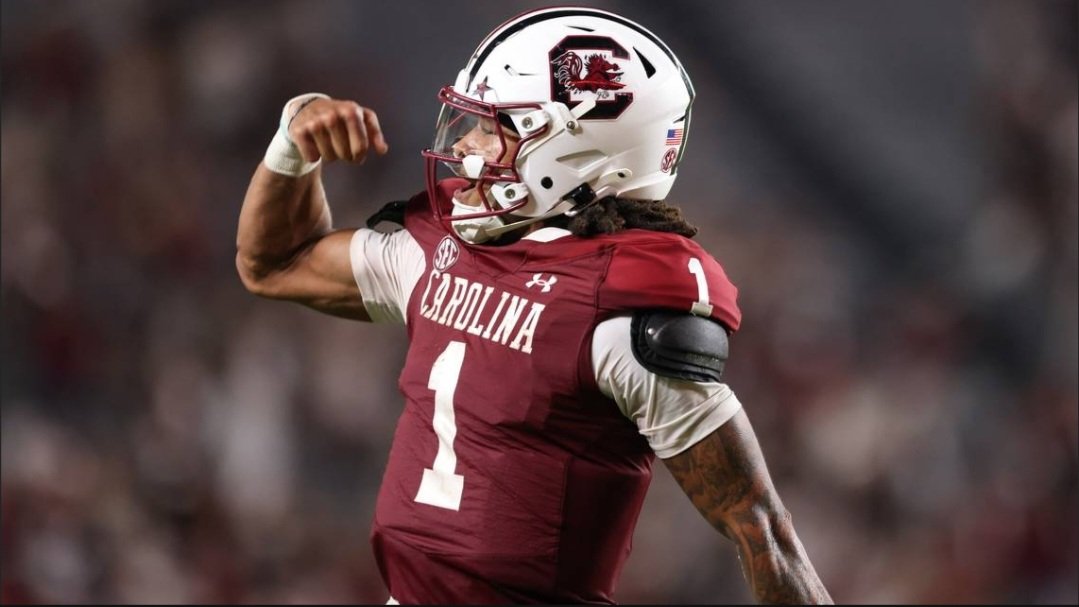
In a surprising move that has captured the attention of college football enthusiasts, Robby Ashford has
committed to continuing his journey with the South Carolina Gamecocks. While this decision signals his
unwavering loyalty and belief in the team’s future, it comes at a significant cost—both for Ashford and the
Gamecocks. This development highlights not only the high stakes of college athletics but also the personal sacrifices
and calculated risks that define the careers of rising sports stars.
Ashford, a dynamic quarterback known for his athleticism and versatility, has been an integral part of the Gamecocks’
roster. His decision to extend his tenure suggests a deep-seated confidence in the coaching staff and the direction of the program. However, insiders have
speculated that the move may come with financial and professional implications, especially considering the increasing
competitiveness of Name, Image, and Likeness (NIL) agreements in the college football landscape.
For the Gamecocks, retaining a player of Ashford’s caliber is a double-edged sword. While his skills and leadership
are invaluable assets on the field, the resources required to secure his extended stay could strain the team’s
budget and impact other recruitment opportunities. This high-stakes gamble underscores the evolving dynamics of
college football, where the intersection of talent, strategy, and financial considerations plays a pivotal role in shaping team rosters.
From Ashford’s perspective, the decision is equally complex. By committing to the Gamecocks, he signals his dedication to
building a legacy with the program. However, this choice may limit his exposure to broader opportunities or
more lucrative offers from rival teams. For young athletes like Ashford, the pressure to balance personal aspirations
with team loyalty is an ongoing challenge, particularly in a rapidly changing sports environment.
The move also raises questions about the long-term vision of the Gamecocks’ program. Is this investment in Ashford a
strategic play to solidify their offensive lineup, or does it reflect broader ambitions to elevate the team’s standing
in the Southeastern Conference (SEC)? Regardless, the stakes are higher than ever for both parties, and the outcome of
this decision will likely influence the Gamecocks’ trajectory in the upcoming seasons.
Fans and analysts alike are watching closely to see how this decision impacts team dynamics and performance. Will
Ashford’s extended stay lead to tangible on-field success, or will the financial and strategic risks outweigh the benefits?
Only time will tell. For now, the commitment speaks volumes about the mutual trust between Ashford and the
Gamecocks, setting the stage for an intriguing chapter in college football.
In the end, Robby Ashford’s decision to remain with the South Carolina Gamecocks is a testament to his faith in
the program and his desire to make a lasting impact. While the cost of this move may be steep, both for him and the
team, it reflects the growing complexities of modern college athletics, where loyalty and ambition intersect in
unpredictable ways. The coming season will be a litmus test for whether this gamble pays off, shaping not just Ashford’s legacy but also the Gamecocks’ future.
About the Author