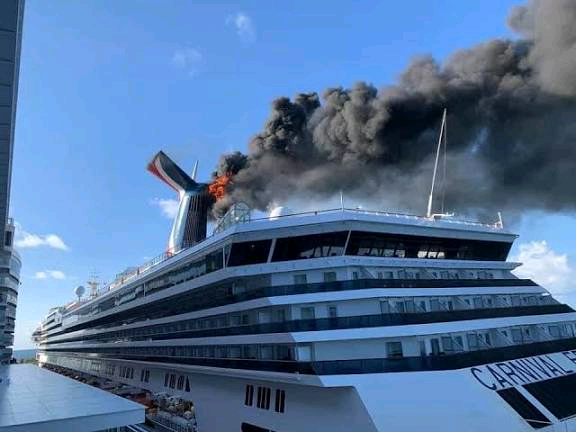
The Carnival Dream cruise ship—departing from Galveston, Texas—became the center of an unfolding FBI-led investigation following the untimely death of a 48-year-old passenger aboard. This incident, while deeply regrettable, has prompted a renewed focus on safety and transparency at sea.
Incident Overview and Investigation Status
On July 23, 2025, Euvelester Villarreal Jr., a resident of Rio Grande City, Texas, was found deceased aboard the Carnival Dream at approximately 5:22 a.m. Medical examiners noted no visible signs of trauma, and the cause of death remains undetermined pending toxicology and further tests. The deceased was held aboard in the ship’s morgue until Carnival returned to Galveston. Authorities—including the FBI, U.S. Coast Guard, and Customs and Border Protection—are collaborating under the Cruise Vessel Security and Safety Act to investigate this maritime fatality .
Passengers report waking to blaring sirens around 4 a.m., followed by an announcement urging medical personnel to report to the Serenity Deck. One passenger recounted overhearing a crew member suggest that the victim might have been attacked in the ship’s casino—though Carnival has firmly stated that there is no evidence supporting a suspicious death .
Cruise Line’s Response and Broader Context
Carnival Cruise Line has expressed condolences to the family and emphasized that the death does not appear suspicious, urging passengers and the public to refrain from speculation while authorities investigate . The company’s prompt reporting to federal authorities aligns with industry protocols for onboard fatalities.
This incident unfolds against a backdrop of heightened scrutiny around cruise safety. Notably, a Netflix documentary released this June—Trainwreck: Poop Cruise—revisits the infamous 2013 Carnival Triumph ordeal, during which power failure left passengers stranded in unsanitary conditions. That event spurred industry reforms, including fleet-wide upgrades, passenger rights protections, and better emergency preparedness .
Why It Matters
While the current case on the Carnival Dream involves a natural—or as yet undetermined—cause of death, it still raises valid concerns about passenger safety, speed and transparency of response protocols, and how incidents are communicated. The earlier Triumph crisis and the reforms that followed serve both as a cautionary tale and a model for progress—highlighting how swift action, meaningful refurbishment, and clear policy changes can restore traveler confidence.
About the Author