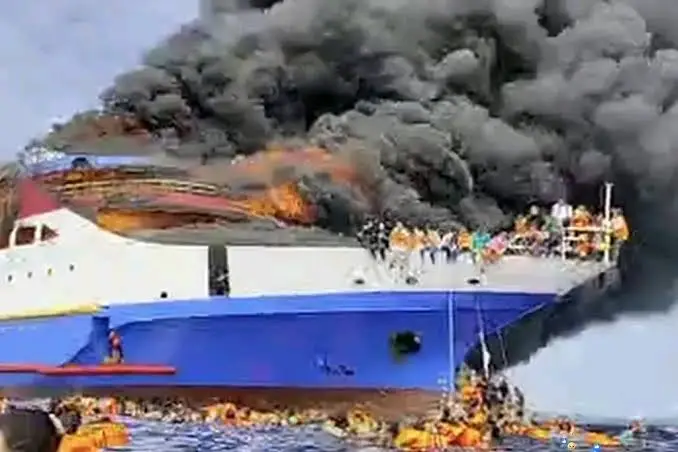
In recent months, several cruise lines including Carnival Cruise Line have seen a handful of isolated onboard incidents that drew attention—but none involve a catastrophic explosion destroying multiple decks or passengers trapped at sea. Instead, real scenarios ranged from manageable onboard fires to passenger safety concerns, offering important lessons for travelers and the cruise industry alike.
Recent Verified Incident on a Carnival Ship
One of the more widely reported events involved the Carnival Freedom, where a fire ignited on the ship’s exhaust funnel while it was cruising roughly 20 miles off Eleuthera Island in the Bahamas. The blaze was linked to the ship’s exhaust system and caused part of the funnel to collapse onto an upper deck, prompting safety protocols to remain in place while crew members extinguished the flames. Thankfully, all passengers and crew were reported safe and there were no major injuries.
Carnival later confirmed that the ship would require repairs, which led to adjustments in the vessel’s upcoming cruise schedule. But crucially, the situation was contained without loss of life or mass injuries—a testament to modern cruise safety systems and trained crew response.
Industry Context: Fire and Safety Preparedness
Fires, while serious, are not unprecedented on cruise ships and are typically managed swiftly by trained personnel. Carnival and other major cruise lines conduct regular safety drills and have advanced fire detection and suppression systems onboard. For example, previous minor fires—such as an incident aboard Carnival Glory in early 2025 where a balcony fire was extinguished quickly with no injuries—highlight how well-prepared crews are for unexpected situations.
The cruise industry’s focus on safety was further underscored this year by proactive efforts related to community support, including Carnival Corporation’s donation to emergency responders after a major earthquake in Vanuatu, showing that the company’s priorities extend beyond passenger entertainment to broader humanitarian engagement.
What Passengers Should Know Before Booking or Boarding
1. Safety Training Is Standard – Crew members undergo extensive training for fire response, medical emergencies, and evacuation procedures, ensuring that potential hazards are swiftly addressed.
2. Incidents Are Rare and Usually Controlled – While media headlines sometimes amplify danger, most cruise ship events involving fire or mechanical issues are contained quickly with no serious harm to guests.
3. Communication Is Key – Passengers who stayed informed about the Carnival Freedom fire reported that crew announcements and instructions helped keep everyone calm and safe during the response.
4. No Major Explosion Events Reported – At this time, there are no credible reports from major news outlets about a Carnival ship being devastated by a massive explosion with decks destroyed and passengers trapped. Safety authorities and cruise operators have not issued alerts matching that narrative.
Why Cruise Travel Remains Popular and Safe
Cruise vacations attract millions of travelers each year due to comprehensive safety standards, multiple redundant systems, and strict international maritime regulations. Incidents like the Carnival Freedom fire remind us that even with high standards, unexpected events can occur—but they are generally handled with priority on passenger welfare.
In the rare event of serious emergency, cruise lines coordinate with maritime authorities, coast guards, and emergency services to ensure rapid assistance and care. Travelers are encouraged to participate in mandatory safety briefings at the start of every voyage and to follow crew guidance throughout their journey.
About the Author